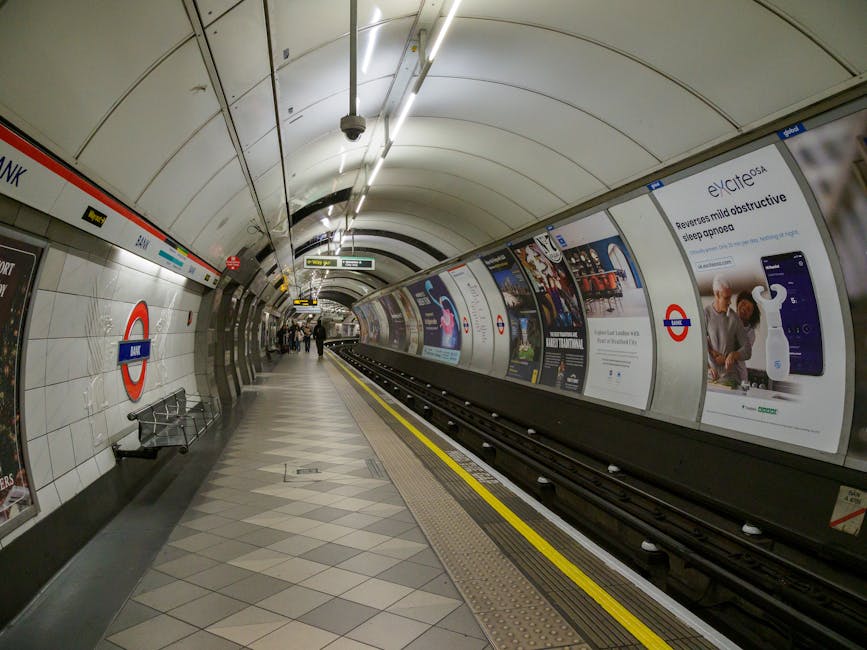
Kilburn Park station quick rubbish pickup for commuters
If you commute through Kilburn Park and you've ever found yourself carrying a broken umbrella, an empty coffee cup stack, a torn parcel box, or a bag of waste that needs to disappear fast, you already know the problem. Kilburn Park station quick rubbish pickup for commuters is really about one thing: getting rid of awkward, unwanted rubbish without slowing your day down. Not a big production. Not a stressful detour. Just a sensible, fast way to clear clutter before it starts taking over your journey.
That matters more than people think. Busy tube routines leave very little room for carrying waste, waiting around, or guessing what can be taken where. In this guide, we'll walk through how quick rubbish pickup works near Kilburn Park, who it helps, what to avoid, and how to make the whole thing smoother. You'll also get a practical checklist, a comparison table, and a few grounded tips that make real-life sense - because commuting is busy enough already.
Table of Contents
- Why Kilburn Park station quick rubbish pickup for commuters Matters
- How Kilburn Park station quick rubbish pickup for commuters Works
- Key Benefits and Practical Advantages
- Who This Is For and When It Makes Sense
- Step-by-Step Guidance
- Expert Tips for Better Results
- Common Mistakes to Avoid
- Tools, Resources and Recommendations
- Law, Compliance, Standards, or Best Practice
- Options, Methods, or Comparison Table
- Case Study or Real-World Example
- Practical Checklist
- Conclusion
- Frequently Asked Questions
Why Kilburn Park station quick rubbish pickup for commuters Matters
Commuters tend to work on a tight clock. A few minutes matter. So when rubbish starts becoming part of the daily carry, it's not just inconvenient - it's mentally cluttering as well. You notice it on the platform, in the stairs, on the bus connection, and yes, in your shoulders after a long day. A fast rubbish pickup service solves that problem before it becomes another job you keep putting off.
Near a station like Kilburn Park, the need is usually different from a full house clearance or a building site clean-up. It's often about smaller but urgent loads: packaging from a move, a broken small appliance, office junk, a few bags after a flat tidy-up, or old furniture that has been sitting in a hallway for too long. The common thread is speed and convenience. People want it gone before their week gets any busier.
There's also the practical side. Shared accommodation, local flats, and compact homes often have limited bin storage. One extra bag can become a nuisance. Three extra bags can become a smell, a pest issue, or a complaint from neighbours. To be fair, nobody wants that conversation in a building WhatsApp group.
Expert summary: For commuters, the best rubbish pickup is not the largest or fanciest service - it's the one that fits around the train, the stairs, and the fact that you need to leave by a certain time.
If you're already dealing with mixed waste, bulky items, or a property tidy-up, a broader waste removal service can be a better fit than trying to patch together separate trips. That's especially true when the waste includes awkward items that need careful handling.
How Kilburn Park station quick rubbish pickup for commuters Works
In practice, quick rubbish pickup for commuters is built around timing and simplicity. You identify what needs removing, choose a collection window that fits your schedule, and have the waste taken away with minimal disruption. The process is usually designed to be fast enough for before-work or after-work pickup, which is ideal when your day is already packed.
Most people find it helps to separate the rubbish before collection. That sounds obvious, but it saves time. If bags are mixed with furniture, appliances, or sharp building offcuts, the job takes longer and can become awkward. Simple sorting often leads to a smoother pickup and a clearer price expectation too.
There is also a difference between rubbish you can move easily and items that need specialist treatment. For example, a broken fridge, a mattress, or anything hazardous is not the same as a couple of bin bags. If you're clearing a flat near the station and the pile includes furniture, it may make sense to look at flat clearance or furniture disposal rather than treating it like loose rubbish.
Another practical detail: access. Can a van stop nearby? Is there lift access? Are there stairs, narrow halls, or timed entry restrictions? These things affect how quickly the collection can happen. A service that understands commuter-friendly pickups will ask about access upfront. That's a good sign. It means fewer surprises later.
And yes, timing really matters. Early mornings can be calm. Evenings can be more pressured. The best pickup windows are the ones that fit the commute, not fight it.
Key Benefits and Practical Advantages
The biggest benefit is obvious: less rubbish in your life. But the real value goes deeper than that. Quick pickup removes friction from your week. You don't have to keep looking at the bags by the door, wondering when you'll finally deal with them. That little background stress is gone.
- Time saved: No need to carry waste on the train or juggle it between errands.
- Better home order: Small clutter clears quickly before it spreads.
- Reduced risk of mess: Waste does not sit around attracting smells or pests.
- Less lifting stress: A collector handles the heavy or awkward bits.
- More predictable planning: You can fit the pickup around work, not the other way around.
For people living in compact flats or shared homes, speed is not a luxury. It is often the difference between a tidy hallway and a complaint from upstairs or downstairs. In offices near commuter routes, the same idea applies. Old boxes, shredded paper, packaging, and worn-out desks pile up fast. A well-timed pickup keeps the workspace cleaner and easier to use.
If the waste is coming from a workplace, it may be worth looking at business waste removal or even office clearance if there's more than a few bags involved. That's usually the cleaner route, honestly.
There's also a recycling angle. A decent service should think about sorting and diversion from landfill where possible. If that matters to you - and it should - it helps to choose providers that talk openly about recycling and sustainability.
Who This Is For and When It Makes Sense
This kind of pickup is useful for a surprisingly wide group of people. It is not only for people moving house or clearing out a garage. In fact, commuters often need it for smaller, more annoying jobs that never feel big enough to organise properly, but still need sorting quickly. You know the sort of thing - a pile of flattened boxes, a dead printer, a broken chair, or bags of rubbish after a weekend tidy-up.
It makes sense if you are:
- commuting daily and don't want to carry waste around all week
- living in a flat with limited bin space
- dealing with post-move packaging or leftover household clutter
- clearing out old furniture or bulky household items
- running a small office near a station and need fast disposal
- trying to clear a property before a deadline, inspection, or handover
A commuter pickup also suits people who are short on patience more than short on rubbish. There's a difference. Sometimes the waste itself is not huge, but the effort of handling it on public transport just feels ridiculous. Quite rightly.
If the waste is mainly domestic, services like home clearance, house clearance, or loft clearance may be more appropriate. If it is a single bulky item, such as a sofa or mattress, then a targeted disposal service is usually easier and more cost-effective.
Step-by-Step Guidance
If you want the process to go smoothly, keep it simple and structured. Here's a practical way to handle it without overthinking the whole thing.
- List what needs removing. Write down the items or bags, even if it feels minor. A rough list is better than guessing.
- Separate the waste by type. Keep loose rubbish apart from bulky items, appliances, and anything sharp or hazardous.
- Check access. Think about where the collector can park, how many stairs there are, and whether there are any entry restrictions.
- Choose a time that suits your commute. Early slot, lunch break, or after-work window - whichever is least disruptive.
- Ask about restricted items. Do not assume everything can go together. Appliances, hazardous materials, and some electricals need specific handling.
- Prepare the items. Bag light waste, flatten boxes, and clear a path to the pickup point. Tiny effort, big payoff.
- Confirm the final details. Make sure everyone involved knows where the waste is, who will be there, and when collection happens.
If the job includes white goods or refrigeration equipment, use a specialist route such as fridge and appliance removal. If it includes damaged soft furnishings, then mattress and sofa disposal is often the more sensible option. A little extra planning saves a lot of awkward phone calls later.
One small but useful habit: put all items in one obvious place before the collection. Hallway, loading point, front garden if appropriate - wherever it is, make it clear. The smoother the handover, the quicker you get on with your day. Simple, really.
Expert Tips for Better Results
From experience, the best pickups are the ones that are boring in the best possible way. Nothing confusing. Nothing hidden behind a door you forgot to mention. Just a clear job, handled cleanly.
- Photograph the waste beforehand: It helps with clarity and reduces misunderstandings.
- Keep hazardous items separate: Don't sneak them into ordinary rubbish. That can cause trouble.
- Use sturdy bags or boxes: Weak bags split at the worst time. Always.
- Tell the collector about access issues early: Lifts, permit zones, locked doors, and loading limits all matter.
- Book before the pile grows: Small waste piles have a habit of becoming giant ones over a weekend.
- Think about recycling from the start: Cardboard, metal, and reusable items may be handled differently if sorted well.
A neat tip for commuters: if you have one recurring rubbish issue, solve it at source. For example, if the problem is packaging from deliveries, keep a folding box or sack near the door and schedule pickup before it becomes a corridor sculpture. Not glamorous, but effective.
If confidentiality is part of the job - old files, paperwork, or sensitive documents - a separate confidential shredding solution is wiser than just throwing paper into general waste. Better safe than sorry, as they say.
Common Mistakes to Avoid
A lot of rubbish pickup problems come down to one thing: being vague. People think the collection crew will just "figure it out." Sometimes they do. Sometimes they really, really don't.
- Leaving waste unsorted: Mixed waste slows things down and can affect disposal options.
- Forgetting bulky items: A single chair or broken appliance can change the collection plan.
- Not mentioning stairs or access limits: That's how jobs become awkward and delayed.
- Assuming all waste is allowed: Hazardous items need specialist handling.
- Booking too late: If you wait until the bin area is overflowing, the pressure is unnecessary.
- Using the wrong service type: A few bags are not the same as a full property clearance.
One particularly common mistake is treating old electricals like normal rubbish. That can be risky and, in some cases, inappropriate. If you've got broken appliances, use the relevant removal route rather than hoping it will be fine in a black bag. It probably won't be.
Another one: not checking what can go in a skip or mixed load. If you are comparing approaches, what can go in a skip is a useful reference point for understanding what is and isn't suitable. Even if you are not hiring a skip, the principles help you sort your waste more intelligently.
Tools, Resources and Recommendations
You do not need fancy tools for a quick rubbish pickup, but a few basics make everything easier. Think practical, not polished.
- Heavy-duty bin bags: Good for general rubbish and small mixed loads.
- Box cutter or tape: Useful for flattening and bundling cardboard safely.
- Work gloves: Especially if waste includes sharp edges or dusty items.
- Marker pen: Handy for labelling bags by room or item type.
- Phone camera: A quick photo before collection can prevent confusion.
For larger jobs, especially where there's furniture or an entire room to clear, it is often worth exploring furniture clearance or garage clearance. Those services are often better matched to bulky, mixed, or awkward items than a general rubbish pickup.
If you are dealing with moving-day waste, packing materials, or a small domestic clear-out, flat clearance can be a strong middle ground. It's especially helpful in London flats where space is tight and lifts are, let's face it, not always cooperative.
Law, Compliance, Standards, or Best Practice
Waste removal in the UK is not something to take casually. Without getting overly formal, there are a few common-sense rules and standards worth keeping in mind. Waste should be handled by responsible operators, and hazardous or specialist items need appropriate treatment. If you're a business, your duty of care is especially important, and waste should not simply be handed over without clear understanding of where it is going.
For commuters and households, the main best-practice points are straightforward:
- do not mix hazardous items into general rubbish
- keep electricals and appliances separate when required
- be honest about the type and volume of waste
- use a provider that can explain how waste is managed
- ask questions if you are unsure about restricted items
If the job involves risk, such as heavy lifting, sharp materials, or a cluttered access route, health and safety matters too. A responsible provider should work with clear procedures and insurance, and it is reasonable to ask about both. For peace of mind, you can review insurance and safety and the company's health and safety policy before booking.
For sensitive waste handling or business-related disposal, pay attention to data security as well. It sounds mundane, but old paperwork, labels, and documents can carry real risk if mishandled. That is where careful processes matter more than speed alone.
And a small but important note: always check terms, exclusions, and payment details before you agree to anything. The more transparent the provider, the easier the whole job usually is.
Options, Methods, or Comparison Table
Not every rubbish problem needs the same solution. Sometimes a simple pickup is enough. Sometimes you need a fuller clearance or a specialist collection. Here's a practical comparison to help you choose.
| Option | Best for | Strengths | Possible limits |
|---|---|---|---|
| Quick commuter rubbish pickup | Small, urgent loads and bagged rubbish | Fast, convenient, easy to fit around travel | Not ideal for large mixed clearances |
| Waste removal | General mixed waste and repeat jobs | Flexible, broad use, practical for many scenarios | May need more detail about waste type |
| Flat clearance | One-off property tidy-ups | Good for flats, contents, and cluttered rooms | More involved than a simple bag collection |
| Furniture disposal | Single bulky items or small furniture loads | Removes awkward items quickly | Not the best fit for loose rubbish only |
| Appliance removal | Fridges, freezers, washers, and similar items | Safer for specialist disposal needs | Usually requires item-specific handling |
As you can see, the right choice depends on what you're actually dealing with. If you're only trying to clear a few bags before catching the train, keep it simple. If the pile has grown legs and spread into another room, step up to a fuller service. No shame in that.
Case Study or Real-World Example
Picture this: a commuter leaves a small flat near Kilburn Park with a plan to "deal with the rubbish at the weekend." By Wednesday, the pile includes cardboard from two deliveries, an old kettle, two bags of mixed waste, and a broken dining chair leaning against the wall like it's waiting for judgement. Nothing dramatic. Just annoying.
They need the place clear before a visitor arrives and before the weekly routine gets busier again. The solution is not a major clearance. It's a targeted pickup timed for early evening, after work. The waste is sorted into bags, the chair is separated, and the access route is cleared in advance. The collection is done quickly, and by the time they get home the hallway feels open again. No smell, no visual clutter, no second trip to the station carrying a bag that keeps tearing at the bottom. Lovely.
The key lesson is simple: most commuter rubbish problems are small enough to solve fast, but only if you act before they turn into a weekend headache. That moment when you glance at the bag pile and think, "I should probably sort that now," is usually the right moment.
Practical Checklist
Use this checklist before booking a pickup. It will save you time, and probably a bit of stress too.
- List everything that needs removing
- Separate general rubbish from bulky or specialist items
- Check if any item is hazardous, electrical, or confidential
- Take a quick photo of the load
- Make sure access is clear
- Confirm collection timing around your commute
- Ask about restricted items or special handling
- Flatten boxes and secure loose waste
- Keep the pickup point easy to reach
- Double-check the plan before the crew arrives
If the waste includes sofas or mattresses, remember that a specialist route such as mattress and sofa disposal is often the cleaner choice. If it includes a broader household tidy-up, a more general home clearance can keep things simpler overall.
Conclusion
Kilburn Park station quick rubbish pickup for commuters is really about removing friction from everyday life. It helps you stay on schedule, keeps homes and workspaces tidier, and stops waste from building up into a bigger job than it needs to be. The smartest approach is usually the simplest one: sort the waste, be clear about access, and choose the service that matches the actual load, not the load you wish you had.
Whether you're clearing a few bags after a busy week, dealing with a flat full of packaging, or shifting an awkward bulky item, the goal is the same. Get it handled quickly, safely, and without turning your commute into a storage system. That's a win, honestly.
Get a free quote today and see how much you can save.
And if you're still deciding, start with the small stuff. Once the clutter is gone, everything else feels a bit lighter. Funny how that works.
Frequently Asked Questions
What counts as quick rubbish pickup for commuters near Kilburn Park?
It usually means a fast collection for small to medium amounts of rubbish that can be removed without disrupting your commute. Think bagged waste, boxes, small household clutter, or a few bulky items that need to go quickly.
Can I book a rubbish pickup around work hours?
Yes, that is often the whole point. Many people arrange early morning, lunchtime, or after-work slots so the pickup fits around their travel pattern rather than interrupting it.
Is this the same as a full house clearance?
No. A quick commuter pickup is usually for lighter, more urgent waste. A full house clearance is better for larger volumes, multiple rooms, or a property with lots of contents to remove.
What kinds of items are usually accepted?
General household rubbish, cardboard, small furniture, and some non-hazardous bulky items are common. Exact acceptance depends on the collection type, so it is sensible to separate specialist items like appliances or hazardous materials.
What should I do with old appliances?
Use a specialist appliance collection route if possible. Items like fridges, freezers, washing machines, and similar electricals often need separate handling, so they should not be treated like ordinary rubbish.
Can I include a sofa or mattress in a commuter pickup?
Sometimes yes, but it is usually better to book a service designed for bulky household items. That keeps the collection clearer and avoids delays on the day.
How do I prepare rubbish before collection?
Bag loose waste, flatten cardboard, separate bulky items, and make sure the pickup area is easy to access. A little preparation goes a long way, especially if you're trying to keep the job quick.
What if I have hazardous waste?
Do not mix it into standard rubbish. Hazardous materials need specific handling, so they should be declared clearly and removed through the appropriate route.
Is it better to use rubbish pickup or a skip?
For a commuter with a smaller load, pickup is usually easier because it saves space and time. A skip can make sense for larger, ongoing, or building-related waste, but it is not always the most convenient option for station-area jobs.
Do I need to sort recycling before the pickup?
It helps if you can. Separating cardboard, metal, and reusable items can make the process smoother and may support better recycling outcomes, depending on the collection method used.
What is the biggest mistake people make with quick rubbish pickup?
Probably underestimating the amount of waste or forgetting about access. A pile of rubbish that seems small in a hallway can look much larger once collection day comes around, so it pays to be honest about it from the start.
How do I choose the right service type?
Match the service to the waste. A few bags need a different approach from furniture, appliances, office waste, or a full flat tidy-up. If in doubt, describe the items clearly and choose the simplest service that honestly fits the job.
If you want to compare service details, collections, and related disposal options, it can also help to review pricing and quotes before you decide. A little homework now can save a lot of hassle later.